Compromising with Love
How Couples Therapy Helps Us See Each Other Again
A Tuesday Evening
Note: The following story is fictional. However, it reflects themes that arise frequently in couples therapy, patterns so common they may feel immediately recognisable.
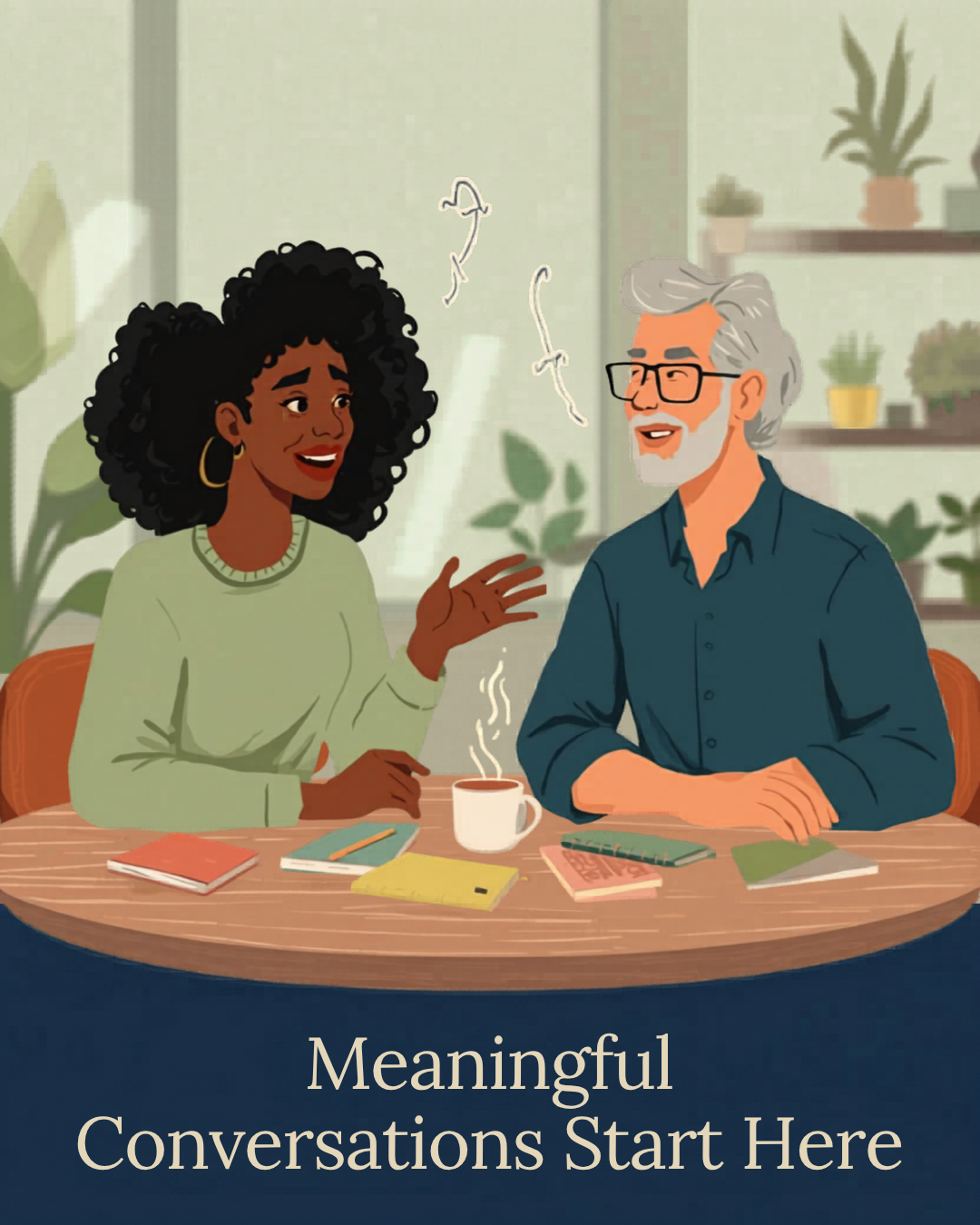
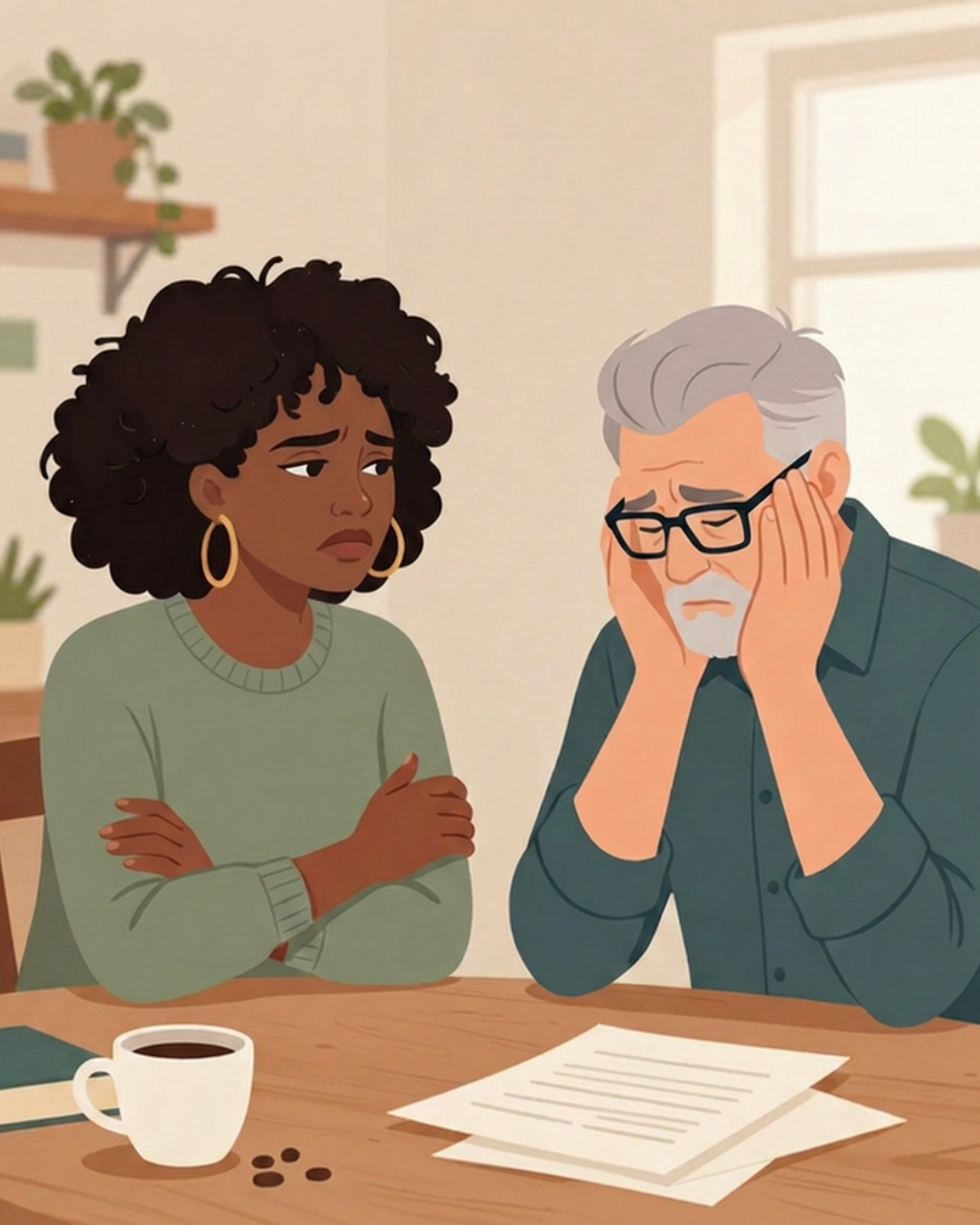
It's a Tuesday evening. Dinner is done, the dishes are cleared, and Maya sits on the sofa waiting for something she can't quite name. She tries to bring up what happened last weekend, nothing major, just something that's been sitting in her chest. Daniel looks at his phone, gives a short answer, and the conversation dies before it begins. Maya feels a familiar ache settle in. Daniel feels a familiar tension rise. Neither says anything more. Both go to bed carrying something heavy and unspoken.
If this feels familiar, you are not alone. This quiet, unremarkable kind of pain is one of the most common things couples bring into the therapy room.
In the Therapy Room
In the session, I invite Maya to speak first. Not about what Daniel did, but about what it stirred in her. About the little girl who learned early that silence meant she wasn't worth the trouble. Daniel listens, really listens, not to defend himself, but to witness her. And then it is his turn. He speaks about the home he grew up in, where emotions were loud and dangerous, where going quiet was the only way to stay safe. Maya listens. And for the first time, she doesn't hear his withdrawal as rejection. She hears it as a man trying to survive in the only way he knows.
Nothing is resolved that evening. But something shifts.
From Personalisation to Understanding
What I facilitated in that moment has a name, though it doesn't need one to be felt. It is a fundamental shift in perspective from personalisation to contextualisation.
When we are in pain inside a relationship, our first instinct is to read the other person's behaviour through the lens of our own wounds. Their silence becomes proof of our insignificance. Their withdrawal becomes evidence that we are too much, or not enough. Their avoidance confirms what we have always feared, that we are not worth showing up for.
But here is what couples therapy gently, persistently invites: to pause that story. To step back from the wound long enough to see the other person not as a mirror of your worth, but as a whole human being with their own history, their own nervous system, their own layers of protection built carefully over a lifetime.
This is not a small ask. It requires a particular kind of courage, the courage to hold your own pain while simultaneously making room for theirs.
And this is where my role becomes crucial. Each person is invited to reveal their internal world not their complaints, not their accusations, but their interior landscape. The fear underneath the anger. The longing underneath the distance. And the other is guided to listen from a bracketed place setting aside, just for that moment, the impulse to defend, to correct, to explain themselves.
What emerges from that exchange is rarely resolution. It is something quieter and more durable: recognition.
Compromising with Love
But recognition, when it is genuine, does not stay still. It moves.
When Daniel truly understands that Maya's pursuit is not an attack but a cry, the echo of a child who learned that silence meant abandonment, something in him wants to respond differently. Not out of obligation, but out of love made more intelligent by understanding.
And when Maya truly sees that Daniel's withdrawal is not indifference but protection (a nervous system doing what it learned to do long before she ever existed) her reaching changes quality. It becomes softer. Less urgent. More patient.
This is what we might call compromising with love. Not the compromise of losing yourself to keep the peace. But the conscious, tender adjustment of how you show up for someone whose interior world you have finally allowed yourself to know.
A Word That Must Be Said Clearly
Seeing the other as a whole human, understanding the history behind their behaviour, the fear beneath their withdrawal, the wound underneath their silence, is an act of love. But it is not an act of erasure. Not of them, and certainly not of you.
Understanding why someone behaves the way they do does not make that behaviour acceptable. It does not mean you must absorb its impact indefinitely. It does not mean that your pain is less real, or less worthy of being addressed, simply because you can now trace its origins in the other person's story.
Compassion is not the same as permission.
In fact, truly seeing someone as a whole human being includes believing in their capacity to grow. To take responsibility. To show up differently. When we excuse rather than understand, we are not honouring the other we are quietly deciding they are not capable of change. And that is its own form of disrespect.
This work asks something of both people equally. Understanding creates the conditions for dialogue. But dialogue requires two people willing to be seen, to be accountable, and to move however slowly, however imperfectly toward each other.Where there is consistent rigidity, contempt, or harm, understanding alone is not enough. And no amount of compassion for another's history should cost you your own dignity.
An Exercise for Two: The Dialogue of Seeing
Choose who will be Partner A and who will be Partner B. Partner A speaks first. Partner B only listens. Then you swap.
Find a quiet moment together, away from distractions. Sit facing each other.
Step 1: Partner A speaks.
Partner A completes this sentence: "When you [specific behaviour], I feel [emotion]."
Keep it simple and honest.
Not “you make me feel.”
Not “you always.”
Not “you never.”
Just: this behaviour, this feeling.
Step 2: Partner B listens.
Partner B stays silent.
No interrupting.
No defending.
No explaining.
Just receiving.
Step 3: Partner B reflects.
Partner B repeats back what they heard, in their own words: "What I heard you say is..."
Partner A confirms: did Partner B get it right? If not, Partner A gently clarifies. Partner B reflects again until Partner A feels truly heard.
Step 4: Partner A goes deeper.
Partner A now answers this question: "How would you like to feel instead?"
Partner B listens. Only listens.
Step 5: Partner B responds honestly.
Partner B asks themselves: how much of what Partner A needs can I genuinely offer? Then speaks that truth with care:
"What I can offer is..."
Step 6: Both partners together.
"What would one small, realistic step toward that look like for us?"
Then swap. Partner B speaks. Partner A listens. Follow every step again from the beginning.
Relationships do not ask us to be perfect.
They ask us to be willing to see, and to be seen.
That is where love lives.